
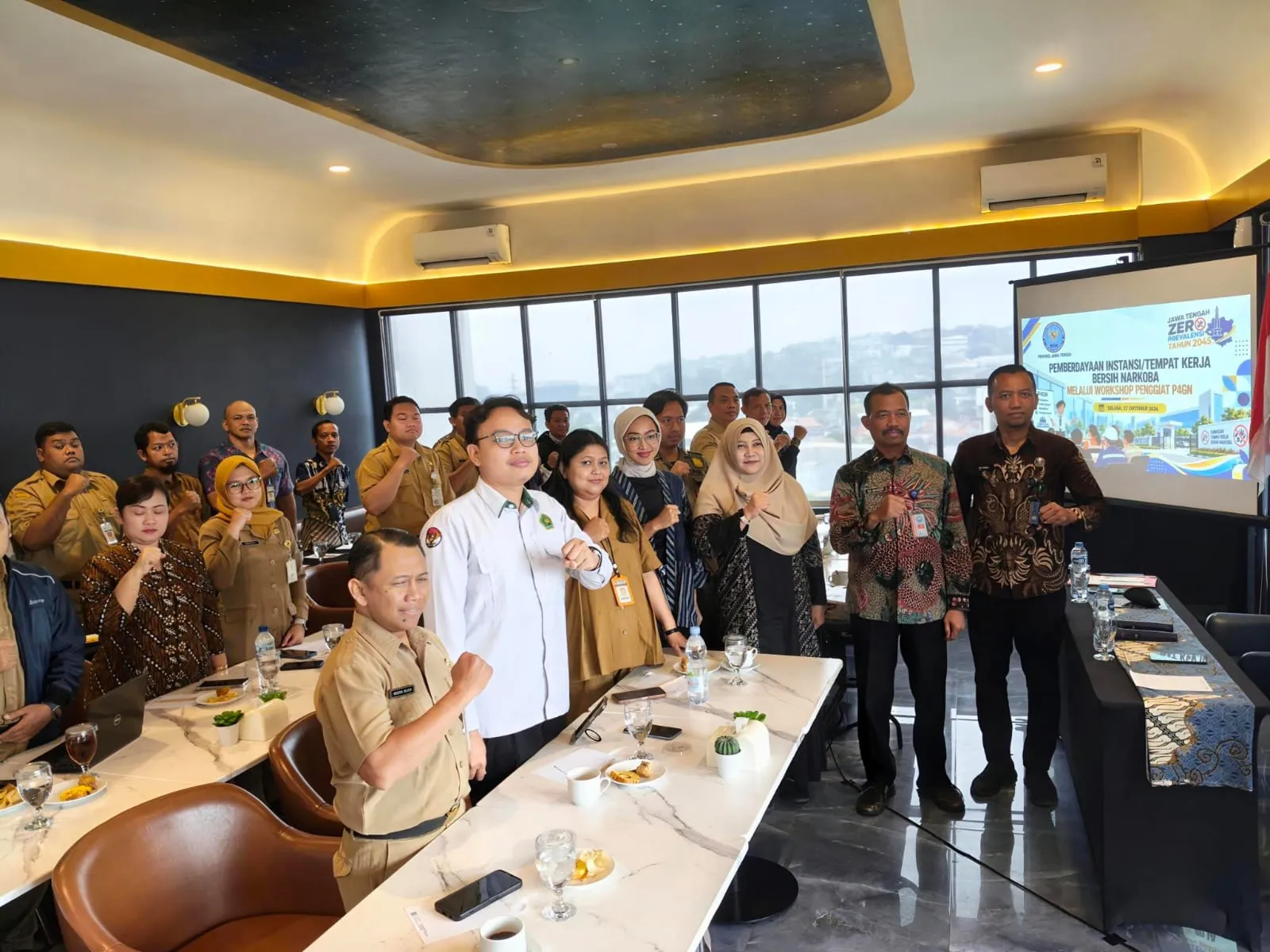
Made Dwi Adnjani, a lecturer at the Faculty of Communication Sciences (FIKOM) at Sultan Agung Islamic University (Unissula), served as a resource person for a technical guidance workshop aimed at advocates for the Prevention and Eradication of Drug Abuse and Illicit Trafficking (P4GN) in Central Java. The event was organized by the Central Java Provincial National Narcotics Agency (BNNP) on October 27–28, 2026. During the session, Made presented on the importance of digital literacy in strengthening education and campaigns focused on preventing drug abuse.
Under the theme "Digital Literacy in P4GN: From Users to Change-Makers," Made emphasized the necessity of using digital technology and social media wisely, safely, and responsibly. She argued that P4GN advocates should leverage digital media to deliver educational content and foster public participation in the anti-drug movement.
This topic is highly relevant given the evolution of digital communication, which increasingly shapes how people access information and interact with one another. Traditional outreach methods—such as educational activities in schools or the display of posters in public spaces—should be bolstered by digital communication strategies. This approach allows for the delivery of prevention-related messages in a more interactive manner, reaching a broader audience.
Made explained that digital literacy extends beyond the mere ability to use devices and applications; it encompasses the capacity to access, comprehend, evaluate, and disseminate information ethically and responsibly. In the context of P4GN, these skills are crucial for advocates to produce and share accurate, accessible, and clear information regarding drug prevention, ensuring that no misunderstandings arise.
She further noted that the success of a digital campaign cannot be measured solely by metrics such as views, likes, or follower counts. Instead, the focus should be on the quality of the information, the alignment of the message with the audience's needs, the safety of the content, and the ability to effectively promote both understanding and proactive prevention measures. Thus, digital campaigns should aim not only for broad reach but also for an educational impact on the public.
When creating content, Made advises those involved in drug abuse prevention (P4GN) to begin with thorough research. Subsequent steps include fact-checking, message formulation, format selection, and risk assessment before the content is published. Infographics, short articles, brief videos, quizzes, and online Q&A sessions can serve as engaging and accessible ways to convey information.
Beyond content production, the ability to communicate effectively with social media users is also crucial. Public inquiries, criticisms, and comments should be addressed with factual, polite responses. Furthermore, those engaged in P4GN efforts must avoid actions that could humiliate individuals, expose private personal information, or inadvertently amplify harmful content.
If content suspected of violating guidelines is encountered, advocates should utilize the reporting features provided by the respective platforms or official complaint channels. Such actions must always be carried out with due regard for communication ethics and privacy protection. This approach is intended to foster credible public discourse while strengthening the public's trust in prevention-related information.
Moreover, Made emphasizes the importance of collaboration among government agencies, universities, community groups, and the general public to build a sustainable digital education ecosystem. The capacity-building of P4GN advocates should extend beyond the mere ability to disseminate information; they should also be capable of fostering public awareness, concern, and active participation in efforts to prevent drug abuse.
Through this initiative, Unissula contributes to strengthening digital literacy in support of the P4GN program. Digital literacy is an essential competency for advocates, ensuring that prevention campaigns not only reach a wide audience but also prioritize information accuracy, ethical communication, digital safety, and respect for human dignity.